Personal finance that respects experience.
Wealth Wise Women provides practical financial education for women navigating retirement, caregiving, estate planning, business ownership, and other major life transitions. We help you understand your options, evaluate tradeoffs, and ask stronger questions before making important financial decisions.
Where we stand: workshops, group coaching, and downloadable resources are educational. Personalized recommendations happen only in a separate consultation, and only if you choose that step.


Education that leads to action
A clear progression, with no obligation to move past the step you came for.
Attend a workshop
Learn the fundamentals of an important financial topic in a clear, supportive environment.
See upcoming workshops → Step twoJoin biweekly Zoom coaching
Continue the conversation in scheduled group sessions focused on specific questions and strategies.
View session topics → Step threeSchedule a consultation
Discuss your circumstances privately and identify areas that may require personalized analysis.
Request a consultation → Your choiceDecide whether to continue
Participants who want individualized recommendations may pursue a separate advisory relationship.
How this works →Five risks that shape a woman's long-term financial security
Most financial content is built on broad market averages. These are the specific pressures that change outcomes for women 40+.
Living longer
A longer retirement means more years of inflation, more health care, and a greater chance of managing money alone.
Life expectancy at birth. Source and year to be confirmed before launch (CDC/NCHS life expectancy tables).The earnings gap
Lower lifetime earnings compound into smaller retirement balances and a lower Social Security benefit.
Median earnings comparison. Confirm source and year before launch.Career breaks for family care
A pause in income is rarely just a pause. Several things stop at the same time.
Income pauses
Raises and promotions stop
Retirement contributions stop
Social Security credits are affected
Playing it too safe
The question is not which is right, but how much of each, and for which expense.
Safety
Cash, savings, and principal protection. Supports emotional comfort and near-term needs.
Growth
Equities and growth assets. Helps offset inflation over a long retirement.
Caring for an aging parent
Care costs and caregiving responsibilities land disproportionately on women, often at the peak earning years.
Reported national median monthly cost of assisted living, 2025.
Family caregivers who are women (AARP / NAC).
U.S. adults supporting an aging parent while also helping an adult child or grandchild (Pew Research Center).
Guidance built around real life
You already know how to open an account and compare a credit card. What changes after 40 is the shortening runway on retirement, long-term care, Social Security timing, estate documents, aging parents, divorce, and adult children moving home. We bring those topics together and explain how the instruments actually work, rather than selling the newest one.

Financial literacy
Plain-language education on how the pieces fit together, including the free and low-cost tools already available to you.
Explore the topic →
Retirement readiness
Social Security timing, retirement income, health care costs, longevity, and withdrawal planning.
Explore the topic →
Estate planning
Wills, trusts, beneficiary designations, powers of attorney, medical directives, and orderly transfers.
Explore the topic →
Caring for an aging parent
Practical planning for families supporting aging parents while protecting household stability.
Explore the topic →
Guaranteed income
Social Security, pensions, annuities, income floors, liquidity, inflation, fees, and the tradeoffs between them.
Explore the topic →
Small-business planning
Defined benefit plans, key person insurance, business structure, and owner estate planning.
Explore the topic →Beyond education, toward confident action
Most financial websites blur this line. We draw it, in public, so you always know which side of it you are standing on.
Attend a workshop
Learn the fundamentals of one financial topic in clear language.
Join group coaching
Continue in biweekly Zoom sessions on specific questions and strategies.
Schedule a consultation
Discuss your circumstances privately and identify what may need personalized analysis.
Personalized advisory services
Individualized recommendations, through a separate advisory relationship you agree to.
Everything to the left of the line is educational and open to anyone. Nothing there is a recommendation for your specific situation. Personalized guidance is offered only by choice and is never a condition of participation.
Education that gives you clarity, confidence and choice
Education first
Current conditions
Accessible cost
Consistent support
Questions we hear most
Who is Wealth Wise Women for?
What topics are covered?
Are workshops personalized?
Is legal, tax, or financial advice provided?
Can our organization invite the founder to speak?
Start with one topic that matters to you now
Pick an upcoming workshop, join the next biweekly Zoom session, or download a checklist and see how it feels to have your information in one place.
Information is everywhere. Experience helps turn it into informed action.
Financial guidance has largely been designed for high-income households, or for people willing to study markets for years. Neither describes most women's lives.
Wealth Wise Women closes the distance between the information that already exists and the understanding you can actually use. The goal is not to turn every woman into a financial expert. It is to help you recognize your own situation, weigh the tradeoffs in front of you, ask sharper questions, and know when hiring a qualified professional is worth it.
We work with the topics that decide real outcomes for women 40+: Social Security timing, retirement income, taxes and IRMAA, long-term care, caregiving, estate planning, divorce, job loss, and running a small business.
Educate, prepare, and clarify
- Educating on how to establish a solid financial foundation
- Name the tradeoffs, costs, and risks alongside the benefits
- Help you organize your financial information
- Give you the confidence to navigate a challenging economy
Four ways to learn with us
Every offering listed here exists today. As the podcast, workshop archive, and resource library grow, they will be added.
Workshops
One topic at a time, taught in a supportive setting, with handouts you keep. No product pitch at the end.
Group Zoom coaching
Scheduled group sessions that go deeper on a chosen topic, with general questions and real-life examples.
Starter resources
Checklists and worksheets for organizing your financial life, retirement, estate planning, and caregiving.
Individual consultation
A private conversation about your circumstances, to identify what may need personalized analysis.
Why We Exist
The Wealth Wise Women was created to help close the gap between the abundance of financial information available today and the practical understanding needed to use it effectively. The goal is not to turn every woman into a financial expert, but to provide the knowledge and confidence needed to better understand personal finances, ask stronger questions, and make informed decisions.
While financial information has never been more accessible, many women still face challenges when it comes to organizing, evaluating, and applying that information to their own lives. Meaningful financial guidance has often been geared toward higher-income households, leaving many women without the support or education they need to feel confident about their financial future.
The Wealth Wise Women is designed specifically for women who want to become more informed, prepared, and empowered in their financial lives. By simplifying complex topics and focusing on real-world financial decisions, we help women gain greater clarity and confidence without the need for years of specialized study.
Through workshops, podcasts, and practical resources, The Wealth Wise Women makes financial concepts easier to understand and apply, supporting a healthier money mindset and a stronger foundation for long-term financial well-being.
Mission, Vision & Values
Vision
A world where individuals and families, especially women 40+, can make informed financial decisions with confidence.
Mission
To provide practical workshops, coaching, and resources on retirement, estate planning, income, long-term care, and life transitions, so participants understand their options and plan with greater confidence.
Clarity
Plain language, with the tradeoffs stated out loud.
Empathy
Planning starts with the person and the family behind the numbers.
Preparation
Decisions made early are cheaper, calmer, and better.
Respect
Every question deserves patience. Every decision deserves context.
What Makes Us Different
Plain language, without the talking down
Roth conversions, IRMAA brackets, survivor benefits, and annuity riders get explained the way a well-informed friend would explain them. Jargon gets translated, not avoided.
Current conditions, not textbook averages
Inflation, forced early retirement, changing job markets, and caregiving costs are treated as planning realities for women 40+.
Preparation before the crisis
Retirement, estate, insurance, and caregiving decisions are far easier when made with time, information, and family agreement, instead of during a hospital week.
Respect for what you already know
Most women have been managing money, households, and family obligations for decades. We start from that experience rather than assuming it away.
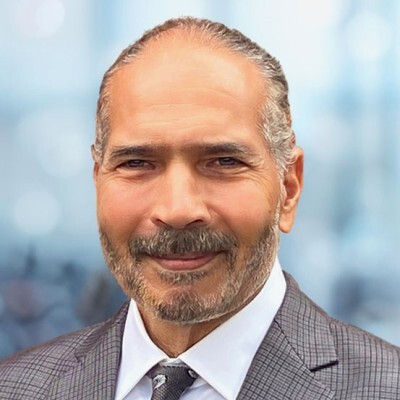
- RoleFounder
- Experience25+ years with investors
- DesignationChartered Market Technician (CMT), 2007
- FocusRetirement income, risk, and planning education
Michael R Morera, CMT
Michael has spent more than 25 years helping investors manage and grow wealth. He earned the Chartered Market Technician designation in 2007, and built Wealth Wise Women around the kind of education he wished his own family had been given.
He was raised in a family of women: his mother, her two sisters, and his grandmother. Their influence gave him an early appreciation for the responsibilities women carry inside a family, particularly in caregiving, financial decision-making, and holding a household together through a hard season.
Caring for his mother during her final year with pancreatic cancer showed him how quickly the medical and financial systems overwhelm a family when resources are limited and emotions are high.
Grief, paperwork, medical bills, and uncertainty arrive at the same time, and decisions get made under pressure that would have been far easier a year earlier. That experience, along with years of client work, shaped what Wealth Wise Women teaches and when it teaches it: clear information and honest preparation, well before the decisions become urgent.
Our Network Partners
Several contributors work at affiliated companies. Their affiliation is listed so you always know who you are speaking with.
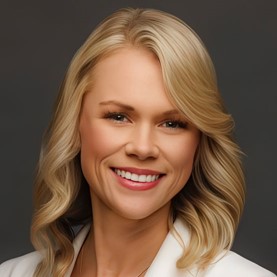
Ciara Lister, Esq.
A former commercial insurance litigator and full-scholarship graduate of Ave Maria School of Law, focused on planning, preparation, and prevention for families.
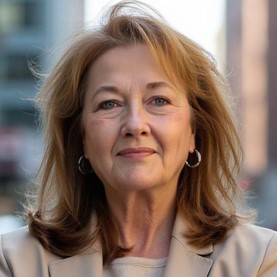
Holly Halweg
Supports participants through the onboarding process. A University of Texas at Austin graduate and longtime advocate for families raising children with special needs.

Rick Bailey
Works with individuals and business owners on protecting accumulated assets through inventory, risk assessment, layered protection, and periodic review.
Supported by organizations committed to accessible education
Wealth Wise Women is supported and subsidized by My Estate Plan Made Easy and TigerOne Gold. Their support keeps workshops, group coaching sessions, and educational resources accessible to a broader community of women.
Wealth Wise Women remains primarily an education and coaching platform. Any personalized advisory, estate-planning, insurance, or other professional services are offered separately, by separate entities, and only when a participant chooses to pursue them.


Open a topic to preview it, then dive in
Financial Literacy
How to read the landscape: terms, documents, tradeoffs, and the questions that matter before a decision.
Open topic →Retirement Planning
Income, taxes, health care, longevity, inflation, and legacy considerations across a long retirement.
Open topic →Guaranteed Income
Social Security, pensions, annuities, income floors, liquidity, inflation, fees, and tradeoffs.
Open topic →Estate Planning
Wills, living trusts, beneficiary designations, powers of attorney, and health care directives.
Open topic →Caring for an Aging Parent
Care costs, family agreements, the sandwich generation, and protecting the caregiver's own security.
Open topic →Charitable Giving
Donor-advised funds, private foundations, charitable trusts, and giving that reflects your values.
Open topic →Small-Business Planning
Defined benefit plans, key person insurance, business structure, asset protection, and succession.
Open topic →Life Transitions
Divorce, job loss, widowhood, and relocation, covered in workshops and biweekly coaching sessions.
See the schedule →Starter Resources
Free checklists and worksheets that pair with every topic on this page.
Download →Clear explanations, in candid language

Financial literacy is the ability to understand your options, the tradeoffs between them, the risks attached to each, and the timeline you are working with.
We teach financial concepts through real-world cause and effect rather than theory, in language that is understandable. Conditions change: purchasing power, tax treatment, Social Security timing, how families use insurance, and how younger generations can reach home ownership. Those changes are worth understanding before they affect a decision you have already made.
The aim is a supportive community where these subjects can be discussed openly, and where you leave with a working understanding of the terms, documents, and questions that come up in every planning conversation.
What the sessions cover
Retirement income
Social Security, pensions, annuities, investment withdrawals, and part-time income considerations.
Health care and long-term care
Medicare, IRMAA, long-term care planning, caregiver responsibilities, and projected care needs.
Longevity planning
Planning for longer retirement horizons and income needs across different life stages.
Tax awareness
Roth IRA and traditional account basics, required minimum distributions, and tax-sensitive income planning.
Expected learning outcomes
After a session, participants should have a stronger working understanding of common financial terms, the documents involved, and the planning questions worth raising with a qualified professional.
Bring your questions to a live session
Workshops cover the fundamentals. Biweekly Zoom coaching goes deeper on whichever topic the group is working through.
Retirement readiness is not one number

A useful retirement plan reflects real life: what you need to spend, what is taxed, what health care will cost, how long the money must last, who else depends on you, and when to claim Social Security.
Wealth Wise Women helps participants understand each piece of a retirement plan so decisions can be made with more context and less guesswork. A do-it-yourself approach can work, but it often leaves out the experience that helps avoid unintended consequences. Our aim is to increase your self-agency first, and to make the path to professional help clear when experience is what the situation calls for.
Six areas that decide the outcome
Retirement income
Social Security, pensions, annuities, investment withdrawals, and part-time or business income.
Taxes
Roth IRA and traditional account basics, required minimum distributions, Roth conversion tradeoffs, and IRMAA effects.
Health care
Medicare enrollment, supplemental coverage, out-of-pocket costs, and long-term care planning.
Longevity
Planning for a horizon that may run 30 years or more, and for the years spent managing money alone.
Inflation
What rising costs do to a fixed income, and which expenses are most exposed.
Legacy
How account type affects heirs, and how the 10-year rule for most inherited IRAs changes the picture.
The 60/40 allocation may not be effective
A more useful discussion asks three questions instead: what must stay accessible, which essential expenses should be covered by dependable income, and what portion of the portfolio still needs long-term growth.
Questions we work through together
- How much is needed for near-term expenses and emergencies
- Which essential expenses are not already covered by Social Security or a pension
- What role bonds, fixed-income strategies, or annuities might play in creating stability
- How much should be invested for long-term growth
- Knowing your risk threshold
Education, analysis, coaching, and advice
Education explains how something works. Analysis compares scenarios using general assumptions. Coaching helps you apply concepts to your own questions in a group setting. Advice is a recommendation for your specific situation, and it happens only inside a separate advisory relationship.
Workshops and coaching sessions on this site are education and coaching. Nothing here is a recommendation to buy, sell, claim, or convert.
A note on Roth conversions
Roth conversions are frequently presented as a straightforward win. In practice the result depends on assumptions about future tax rates, Medicare premiums, the size of the conversion, the years available, and the assumed rates of return. We teach how those assumptions work and where they commonly go wrong.
Start with the Retirement Readiness Snapshot
A guided worksheet for identifying the major pieces of retirement planning before evaluating strategies or products.
A dependable plan balances guarantees and growth

Guaranteed income education focuses on how predictable income sources may support basic expenses during retirement, and what tradeoffs each one carries.
We explain Social Security, pensions, annuities, income-floor concepts, inflation considerations, liquidity, fees, and surrender terms in straightforward language. Annuities may be considered as a source of guaranteed income and, in appropriate circumstances, as part of the bond-like or stability allocation of a portfolio. Whether that fits depends on the rest of your plan.
After a session on annuities and retirement income, participants should understand how annuities work and how to differentiate a good one from a bad one.
What we work through
Social Security
Claiming age, survivor considerations, spousal benefits, and coordination with other income sources.
Pensions and payout options
Survivor elections, lump-sum considerations, inflation adjustments, and the tax implications of each choice.
Annuity mechanics
Types of annuities, how income guarantees are funded, surrender periods, fees, liquidity, and contract terms.
Income floors
Covering essential expenses with dependable income, and funding flexible expenses from the portfolio.
Inflation and liquidity
What a fixed payment is worth in 15 years, and what it costs to access money early.
IRMAA awareness
How income decisions can affect Medicare premium brackets, and why sequencing matters.
On taxes
Wealth Wise Women does not provide tax advice. We explain key tax concepts and planning strategies so you can have more productive conversations with your tax, legal, and financial professionals. There is no one-size-fits-all approach, and the advantages and disadvantages of any strategy depend on your circumstances.
Bring your annuity questions to a session
Group coaching covers guaranteed income and annuities as a recurring topic, including annuities as a potential bond proxy.
An estate plan is more than a will
Documents, ownership, beneficiary designation, and the way the trust is funded, all have to work together. A well-designed plan can protect assets, reduce taxes and minimize family conflict.
Wealth Wise Women educates individuals and families on the essential tools: wills, living trusts, beneficiary designations, powers of attorney, health care directives, and document organization.
Many people assume a generic online template is enough. In practice we frequently see trusts that were never funded, never properly executed, or never coordinated with the rest of the plan. Our aim is to help you understand the process so you can work effectively with a qualified attorney and tax professional. An attorney should prepare or review your legal documents.
The pieces most often missed
- The purpose of a will and how it differs from a trust
- Best practices in beneficiary designations
- Powers of attorney and health care directives
- Document organization for family members and successors
- Planning considerations for widows, single individuals, blended families, and caregivers
- Estate conversations between aging parents and adult children
- How to work with your attorney to properly fund a trust
- How to effectively pass on assets to the next generation
Where the workshop leads
Participants complete the Estate Planning Preparation Checklist and leave with an organized picture of documents, beneficiary designations, and open questions. If you choose to go further, a complimentary consultation can help identify next steps.
Start with the preparation checklist
Organize documents, beneficiary designations, asset information, and questions before meeting with an estate-planning professional.
Caring for everyone except yourself?

The sandwich generation describes adults caring for aging parents while also supporting adult children or grandchildren. Adult children may return home after job loss, divorce, rising costs, or to save for a house. At the same time, parents may need increasing financial, emotional, or physical support.
Roughly 23% of U.S. adults are in this position according to Pew Research Center. Reporting from Care.com has found that a large majority of caregivers feel financially behind because of caregiving responsibilities. Adults in their 40s and 50s are most commonly affected, and women often carry the larger share while balancing careers, households, and their own long-term goals.
Confirm the specific studies, figures, and publication years before launch.
Four places caregiving changes the math
Financial security
Many caregivers reduce retirement contributions, draw from savings, absorb unexpected expenses, or cut work hours.
Career and retirement
Reduced hours, missed promotions, interruptions, or early retirement, each of which can affect Social Security and retirement income.
Physical and emotional health
Sustained caregiving is associated with higher rates of stress, anxiety, and burnout.
Family dynamics
Money, housing, and repayment arrangements between family members work better written down than assumed.
What we work through
- Understanding the current care situation and likely changes over 6 to 12 months
- Locating documents: directives, powers of attorney, insurance, and account contacts
- Estimating the effect on your own income, savings, and retirement contributions
- Setting boundaries, shared responsibilities, and a monthly limit on support where possible
- Preparing for a hospitalization, rehabilitation stay, or sudden change in housing
One caution worth repeating
Do not sign documents, add joint owners, transfer property, or make major financial changes purely for convenience without understanding the legal, tax, benefit, and family consequences. Convenience arrangements made during a crisis are often not in your best interest.
Prepare before the crisis, not during it
The Caregiving Financial Preparedness Checklist walks through the financial, legal, family, and practical issues in order.
Giving is not simply money out the door
Charitable giving is often treated as a zero-sum decision, where whatever is given is a direct loss to the giver. Structured thoughtfully, giving can support meaningful causes while also creating potential tax, estate, legacy, and family-planning benefits.
Research has also linked generosity to greater reported well-being and a stronger sense of purpose and connection. The relationship between giving and financial outcomes is complex, but the direction of the evidence is consistent.
Wealth Wise Women provides education on charitable giving strategies, including donor-advised funds, private foundations, charitable trusts, and estate-planning tools, so charitably minded women can give in ways that reflect their values.
Four ways giving gets organized
Donor-advised funds
A simple vehicle for bunching contributions, granting over time, and handling appreciated assets.
Private foundations
More control and more administration. Usually suited to larger, longer-term family giving.
Charitable trusts
Structures that split benefit between a cause and a family, with income and estate implications.
Gifts through the estate
Bequests, beneficiary designations, and giving strategies coordinated with the rest of the plan.
Wealth Wise Women does not provide tax or legal advice. Charitable structures carry specific rules and filing requirements, and they should be reviewed with a qualified tax professional and attorney before being established.
Bring your giving questions to a session
Charitable giving is a recurring topic in the biweekly Zoom coaching schedule.
Running a business is all-consuming
Owners with fewer than 10 employees rarely have time to research strategies that could strengthen the business and secure their own future. Many chose ownership for independence, and the demands of the company push long-term planning aside.
Through workshops and podcasts, we raise awareness of frequently overlooked strategies, including defined benefit plans, split-dollar arrangements, key person insurance, business structure, and estate planning for owners.
The goal is not to provide tax or legal advice. It is to make you aware of what exists, so you can form strong questions for your financial, tax, insurance, and legal professionals.
Four areas we cover
Defined benefit plans
May allow eligible owners to make substantial tax-deferred contributions while building benefits for participating employees. Best suited to established, consistently profitable businesses, and they require careful design and ongoing funding.
Split-dollar arrangements
A structure for sharing the cost and benefit of a life insurance policy between the business and an individual.
Key person insurance
Protection against the financial disruption caused by the loss of a person the business depends on.
Business and estate planning
Succession, buy-sell agreements, and coordinating personal goals with the future of the company.
Asset protection
Protecting what you have built starts with understanding your assets, assessing risks, implementing layered safeguards, and reviewing the strategy regularly. Depending on circumstances, that can involve insurance, trust structures, appropriate business entities, exempt assets, and asset segregation.
Choosing a structure such as a sole proprietorship, LLC, S corporation, or C corporation affects taxes, liability, and future flexibility. The right answer changes as the business grows.
What you should be able to do afterward
- Recognize financial risks and planning opportunities
- Understand which strategies may apply to your circumstances
- Identify questions to ask financial, tax, insurance, and legal professionals
- Develop a clear path toward implementation
- Coordinate personal financial goals with the future of the business
Owner-focused workshops
Sessions for small-business owners run on the same biweekly schedule as the rest of the coaching program.
Workshops
A single topic covered from the beginning, in person or online, with a handout you keep. No product pitch at the end, and no obligation to book anything afterward.
Biweekly group Zoom coaching
A scheduled group session every two weeks with a new topic. Select the sessions most relevant to your current priorities. Questions are answered generally, for the benefit of the group.
New topics every two weeks
The rotating schedule covers:
Upcoming schedule
Topics scheduled upon request.
Prepare before you attend
Participants who complete a checklist beforehand get noticeably more out of a session.
Starter resourcesFour downloads to begin with
No account numbers, passwords, or Social Security numbers are requested anywhere in these worksheets.
Financial Life Organizer Checklist
Gather the basic information needed for clearer financial conversations, without recording sensitive account details.
Download PDFRetirement Readiness Snapshot
Review retirement income, spending, health care, taxes, longevity, family responsibilities, stability, and growth.
Download PDFEstate Planning Preparation Checklist
Organize documents, beneficiary designations, asset information, and questions before meeting an estate-planning professional.
Download PDFCaregiving Financial Preparedness Checklist
Identify the financial, legal, family, and practical issues involved in supporting aging parents or multiple generations.
Download PDFMore resources coming soon
We are developing additional worksheets, comparison guides, workshop handouts, and educational tools covering Social Security, IRMAA, Roth conversions, guaranteed income, long-term care, small-business planning, and major life transitions.
Join an upcoming Zoom session or subscribe for updates when new resources become available. For estate planning resources, visit myestateplanmadeeasy.com.
How to use these
Bring a completed checklist to a workshop, a group coaching session, or a consultation. Estimates are fine. The purpose is organization, not precision, and a partly completed worksheet is far more useful than none.
- Know roughly what you own and what you owe
- Locate your key documents and know where they are stored
- Write down the three priorities you want to address first
- Leave sensitive numbers off any copy you plan to share
The Wealth Wise Women Podcast
Financial literacy is about understanding options, tradeoffs, risks, and timelines before important decisions are made. The Wealth Wise Women podcast explores financial concepts through real-world cause and effect, not theory in a vacuum.
In a world shaped by inflation, changing job markets, AI disruption, and a financial system in transition, traditional personal-finance advice may no longer be enough. The Wealth Wise Women podcast is designed to help women stay informed, ask better questions, and make decisions with greater confidence.
What the episodes cover
- What is different today economically than other decades
- How to improve financial wellbeing without sacrificing time for meaningful endeavors
- How we can be moderately sure we are on the right path to meet most life's changes
- What are the new rules to retirement?
- How to navigate caring for an aging parent?
- What they neglect to tell you when it comes to fees and long-term outcomes
- When is it too late to convert to a Roth IRA?
- How to prepare for divorce, job loss, or major life change
- Insurance, beneficiary, and estate document awareness
- How to organize records before planning conversations
Expected learning outcomes
After completing this module, participants should have a stronger working understanding of common financial terms, documents, and planning questions.
- Understand what is in your 401(k)
- How to get the best out of the financial community
- What is the role of a fiduciary?
- Read account statements with greater comfort
- Recognize common fees and account features and how they can impact your returns
- Understand basic Roth IRA and retirement account concepts
- Prepare questions for financial, tax, or legal professionals
- Organize documents for future planning conversations
Moments of empowerment
Workshops, sponsor events, speaking engagements, community education sessions, and media interviews will appear here. Only confirmed appearances and approved photographs are published, each captioned with the event, date, location, and sponsoring organization.